Community Guide
Scale the Depths Wiki
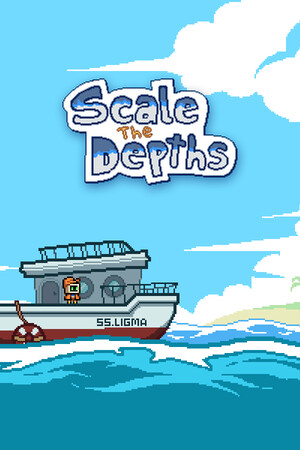
Fish, scale, serve, upgrade — the complete community guide for Glass Gecko Games' viral fishing sim on Steam.
Official Game vs Unauthorized Copies
Scale the Depths is developed by Glass Gecko Games (Canada) and published on Steam by Pretty Soon and Phoenix Games. The authentic release is Steam App ID 3198890 — not mobile store listings that reuse similar art under names like "Sea Restaurant" or other clones.
The developers have publicly stated that misleading mobile ads and knockoffs exist. If you searched for a Chinese name such as 海上餐厅, that is not the official PC release. Always verify the developer name and Steam page before downloading.
- Official: Steam, itch.io jam history, demo on Steam, browser jam build on official channels
- Unofficial: Random APKs, ad-farm mobile ports, sites offering mod menus or cracked "full unlock" versions
This wiki only documents the real game loop: catch → scale → serve → upgrade → explore deeper waters.
Overview & Release
Scale the Depths began as a 2024 GMTK Game Jam entry themed "Built to Scale." You play a tiny robot fishmonger: cast a line, damage fish with your hook, scale them carefully, and feed underwater customers — from otters to folklore-inspired beings like Nessie — for coins to upgrade gear.
The full Steam release (May 28, 2026) expands the jam demo with four explorable worlds inspired by real places (Loch Ness, Outer Banks, Point Nemo, and more), deeper progression, boat and robot cosmetics, collectibles, environmental puzzles, and lore hidden in bottles and logs.
Core appeal
- Satisfying tactile scaling (rhythm-like mouse drags)
- Active fishing with A/D line control — not idle waiting
- Customer preference puzzles that reward observation
- "One more run" upgrade loop into stranger depths
Platforms
| Platform | Notes |
|---|---|
| Steam (PC) | Full game + demo; primary official platform |
| Browser (jam) | Original jam build; not the full four-world release |
| Mobile clones | Not official — avoid for accurate mechanics |
Controls & Settings
Mastering controls separates a smooth run from lost profit from damaged fish.
Default bindings
- A / D — Move the fishing line left and right while it descends; also used for player movement on deck
- E — Interact (start fishing, pick up fish, use stations, talk to customers)
- Mouse — Scale fish by dragging scales off; open shop UI
- Top-right button — Finish scaling when a fish is clean enough
Fishing tips
Ram fish with the hook to deal damage. Armored or fast species need more hits and precise tracking. Turning with A/D only (no mouse steering) has a learning curve — practice wide arcs instead of panicked taps.
Scaling tips
Drag smoothly at a steady tempo. Scraping too fast damages the catch and reduces payout — treat scaling like a rhythm game, not a race. Check in-game settings if you want to toggle control schemes when available.
Quality of life
Play in fullscreen on smaller screens so UI buttons are not obscured. Read customer dialogue and expressions — they hint at preferred fish types and bonus payouts.
Core Gameplay Loop
Every run follows the same addictive cycle designed in the jam and expanded in the full game:
- Fish — Lower the line, hunt targets in the depth band you can reach
- Scale — Clean the catch at the scaling station without damaging it
- Serve — Feed the waiting customer on the right; satisfaction sets payment
- Shop — Buy rod, hook, knife, and storage upgrades
- Explore — Longer line and better gear unlock deeper fish, secrets, and new areas
The loop intentionally pushes "just one more dive" — deeper waters mean rarer fish, higher stakes scaling, and stranger patrons.
Fishing Mechanics
Fishing is active, not passive. Your hook speed, line length, and hook damage define which species are practical at your current depth.
Species behavior
- Common shallow fish — Low HP, good for learning controls
- Fast movers — Require prediction and cornering with A/D
- Armored fish — Need hook damage upgrades before efficient farming
- Deep rare fish — Higher value but only reachable with rod line upgrades
Why depth matters
Line length is the gate to better income. Until you extend the rod, you cannot reliably farm the fish that fund mid-game knife and hook tiers. Watch for environmental interactables (levers, doors) gated by depth access.
Scaling Mechanics
Scaling is the game's skill expression. Each fish type has a workable drag rhythm — rushing causes visible damage and lower sale value.
Damage system
- Too fast or erratic drags harm scales and flesh
- Damaged fish earn less when served
- Knife upgrades widen timing windows and speed safe removal
Tool fantasy
Progression unlocks absurd tools (butter knives to katanas and zweihanders). Bigger blades feel powerful but still require control — going reckless ruins profit.
Practice method
Pick one species, scale at half speed until payouts stabilize, then gradually increase tempo. Consistency beats occasional perfect bursts.
Customers & Tips
Customers are not human diners — they include cute animals (otters, axolotls, herons) and myth-inspired guests (Nessie, kelpie-like beings, regional legends per world).
Preference system
Each patron has personality, appetite, and favorite fish. Watch dialogue, animations, and reactions when you serve the wrong dish versus the ideal catch.
- Right fish — Generous tips and faster progression
- Wrong fish — Lower pay; patrons show clear displeasure
- Observation — Treat the queue as a puzzle, not random feeding
Strategic serving
When inventory is limited, prioritize high-tip guests if you can identify their preference from prior runs. Keep a mental log per world — favorites can tie to local species tables.
Upgrade Priority Guide
The shop upgrades four systems: rod (line/speed), hook (damage), knife (scaling), and storage (bucket). Order matters early.
| Phase | Priority | Why |
|---|---|---|
| Early | Rod line length | Unlocks deeper, higher-value fish — best economic multiplier |
| Early–Mid | Hook damage | Armored and high-HP fish become farmable |
| Mid | Knife | Faster safe scaling = more servings per minute |
| Mid–Late | Storage | Multi-catch trips and fewer wasted runs |
| Late | Rod speed + cosmetics | QoL and style after core power is online |
Common mistakes
- Maxing knife before line — stays stuck on cheap shallow fish
- Rushing scaling after buying a huge blade — damage eats the upgrade value
- Ignoring customer hints — leaves tips on the table
Four Worlds & Locations
The full release ships four distinct fishing spots inspired by real geography. Each has its own atmosphere, gear themes, fish roster, hidden paths, and secrets.
Loch Ness (Scotland)
The iconic demo setting: mythic Scottish fauna, Nessie as a patron fantasy, selkie and kelpie folklore hooks, and the legendary Beithir hunt referenced in press coverage. Expect foggy mood and beginner-friendly teaching waves.
Outer Banks
Coastal US vibe — different species table and environmental storytelling tied to shoreline fiction.
Point Nemo
Remote open ocean — strangest fish and "far from normal" tone the developers emphasize for late progression.
Fourth world
Teased as beyond the above with its own gear and puzzles; explore levers and locked routes after rod upgrades.
Per-world checklist
- Reach maximum affordable depth in that map
- Trigger lever / door puzzles
- Collect bottles, treasures, and artifact logs
- Map customer favorites to local rare fish
Secrets, Collectibles & Lore
There is more lore than a fish-prep sim suggests. The robot fishmonger's purpose unfolds through environmental storytelling.
What to hunt
- Messages in bottles — Flavor and world-building fragments
- Hidden treasures — Bonus value and completionist goals
- Secret passages — Often tied to puzzles or levers underwater
- Collectible artifacts — Document in a personal checklist per world
- Old notes and logs — Piece together why the robot fishes at all
When stuck, return with longer line and hook tiers — many routes are gear-gated rather than puzzle-hard.
Customization
Progression is not only stats. Customize your boat and robot fishmonger cosmetics while pushing rod, hook, bag, and scaling tools.
- Unlock new boats as you earn and explore
- Dress the robot for fun — does not replace need for knife/rod upgrades
- Visual variety pairs with increasingly absurd scaling equipment
Cosmetics are motivation during grindy depth pushes — slot them after functional upgrades unless you are role-playing a stylish deep-sea chef.
Beginner & Advanced Tips
Beginner
- First purchase: rod line extension
- Scale slow until payouts max — speed comes with practice
- Read every new customer line once per species discovery
- Use fullscreen; remap if settings offer alternatives
Advanced
- Route runs by customer queue value, not first-come-first-serve
- Farm armored species only after hook breakpoints
- Re-enter worlds with prior puzzle knowledge to speed clear
- Balance knife tier with fish HP in late depths — oversized blades still need discipline
Demo vs full game
The demo teaches the loop in a limited slice (often Loch Ness focused). The full game adds worlds, broader fish lists, deeper upgrades, and more secrets — mechanics transfer, but economic pacing changes.
FAQ
Is this wiki official?
No. Scale the Depths Wiki is a fan-made guide. For official news, follow Glass Gecko Games on Steam or their itch.io page.
Where can I buy the real game?
On Steam (App 3198890). Avoid unrelated mobile APKs advertising unlimited money or mod menus.
Is there a mobile version?
Not officially from Glass Gecko. Clone apps exist; they are not the Steam game and may be misleading.
What is the Chinese name 海上餐厅?
A common label on unauthorized mobile ports — not an official localized title. The Steam game name remains Scale the Depths.
When did the full game release?
Steam full release: May 28, 2026. A demo has been available on the same store page beforehand.
What languages does the game support?
English, French, German, Spanish (Spain), Japanese, Polish, Russian, and Simplified Chinese for interface and subtitles.
What are the PC system requirements?
Minimum: Windows 10, 2 GHz CPU, 8 GB RAM, integrated graphics, 2 GB storage. Recommended: Windows 10/11, 3.5 GHz CPU, 16 GB RAM, any modern GPU.
Why do I earn less from some fish?
You likely scaled too fast and damaged the catch, or served the wrong customer. Improve knife control and learn preferences.
What should I upgrade first?
Rod line length in early game, then hook damage, then knife, then storage — see the upgrade table above.
How many worlds are there?
Four distinct locations in the full release, each with unique fish, gear themes, and secrets.
Can I play the original jam for free?
The GMTK jam build was distributed on itch.io and browser WebGL; it is a shorter prototype, not the full four-world game.
Who published the game?
Developer: Glass Gecko Games. Publishers on Steam: Pretty Soon and Phoenix Games.